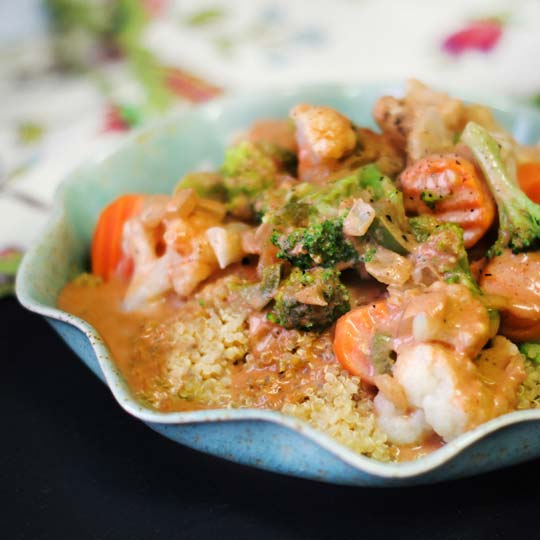
Embracing the Flavors of India: A Dairy-Free Delight
The allure of Indian cuisine is undeniable, with its rich tapestry of spices, vibrant colors, and comforting textures. Among its many treasures, Masala dishes stand out for their creamy, aromatic sauces and tender ingredients. However, for those navigating dietary restrictions such as dairy intolerance or adhering to a plant-based lifestyle, traditional Masala recipes, often featuring heavy cream or yogurt, can be off-limits. Fear not, because we're here to demystify making an incredibly flavorful, easy vegetable masala dairy free, using the magic of coconut milk!
Gone are the days when recreating authentic Indian flavors at home felt intimidating. This recipe proves that with a handful of accessible spices and fresh vegetables, you can whip up a truly satisfying Indian-spiced vegetable dish that rivals your favorite takeout. Our focus on making this a dairy-free masala means everyone can enjoy its rich, complex taste, making it a perfect addition to any weekly meal rotation. The beauty of crafting your own sauce is the complete control it gives you over the spice level and creaminess – ensuring it's always "just right" for your palate.
Key Ingredients: Crafting Your Creamy Vegetable Masala
The secret to a truly outstanding vegetable masala dairy free lies in the quality of its ingredients and the thoughtful layering of flavors. While the full recipe and instructions are below, understanding the role of each component can elevate your cooking experience.
The Aromatic Foundation
- Coconut Oil: Our dairy-free answer to traditional butter or ghee, coconut oil provides a subtle sweetness and high smoke point, ideal for sautéing.
- Onion, Garlic, and Jalapeño: This trio forms the pungent, aromatic base that kickstarts the flavor profile. The jalapeño, complete with seeds, is crucial for that characteristic warmth and gentle heat. Remember, you can always adjust the amount or remove seeds for a milder experience. For those looking for an oil-free option, these can be sautéed in a splash of water or vegetable broth until tender.
The Spice Symphony
This dish is a celebration of classic Indian spices, each contributing to the overall complexity and depth.
- Ground Coriander: Earthy, sweet, and citrusy, it's a foundational spice in Indian cooking.
- Cumin: Warm, nutty, and slightly bitter, cumin adds significant depth.
- Paprika: Provides a mild, sweet peppery note and a beautiful red hue.
- Garam Masala: This blend is the heart of our Masala. The term "garam" means "hot" or "warming" in Hindi, referring to its ability to warm the body, not necessarily its chili heat. It’s a fragrant, warming spice blend that typically includes cumin, coriander, cardamom, cinnamon, nutmeg, cloves, and black pepper. Regional variations can also feature fennel, turmeric, ginger, or bay leaves. If you're in a pinch and don't have garam masala, you can substitute with curry powder, or a blend of 4 parts cumin to 1 part allspice, or even chaat masala.
- Salt: Essential for balancing and enhancing all the other flavors.
The Creamy & Sweet Sauce Elements
- Tomato Sauce: Forms the tangy, rich base of the sauce, providing body and a vibrant color.
- Coconut Milk: This is our star ingredient for achieving that desired creaminess without any dairy. Full-fat coconut milk will yield a richer, more luxurious sauce, while light coconut milk offers a less calorie-dense alternative. You'll add it gradually, tasting as you go, to control both creaminess and spice level. The more you add, the milder and creamier your vegan vegetable masala will become.
- Pure Maple Syrup: A touch of natural sweetness to balance the acidity of the tomatoes and the heat of the spices, adding a layer of complexity to the sauce.
The Star Vegetables
The beauty of this easy Indian recipe is its flexibility when it comes to vegetables. You'll need about 1 pound of assorted chopped vegetables. Great options include:
- Bell peppers (any color)
- Zucchini or yellow squash
- Cauliflower or broccoli florets
- Potatoes or sweet potatoes (cut into small cubes)
- Carrots
- Spinach or kale (stirred in at the very end)
- Chickpeas or lentils (for an extra protein boost, especially if making a Creamy Vegan Vegetable Masala: Customize Your Spice Level)
Step-by-Step Guide to Your Easy Dairy-Free Vegetable Masala
Ready to bring these incredible flavors to life? Follow these simple steps for a truly rewarding culinary experience.
- Build the Flavor Foundation: In a large sauté pan, melt 1 teaspoon of coconut oil over medium heat. Add the chopped ½ onion, 2 minced garlic cloves, and ¼ cup chopped jalapeño (with seeds). Cook gently for about 5 minutes, stirring occasionally, until the onions are tender and translucent. Be careful not to burn the garlic.
- Infuse the Spices: To the softened aromatics, add 1 teaspoon ground coriander, ½ teaspoon cumin, ½ teaspoon paprika, 1 teaspoon garam masala, and ½ teaspoon salt. Sauté for another minute, stirring constantly, until the spices become wonderfully fragrant. This step, known as "blooming" the spices, deepens their flavor.
- Simmer the Sauce Base: Pour in the 1 (15 oz.) can of tomato sauce. Bring the mixture to a gentle simmer and let it cook for about 15 minutes, allowing the sauce to thicken and the flavors to meld. Stir occasionally to prevent sticking.
- Achieve Creamy Perfection: Now comes the coconut milk. Gradually add 1 cup of coconut milk (or more to taste), stirring it into the thickened tomato base. Taste as you go! The more coconut milk you add, the creamier and less spicy the final result will be. Many prefer to use a whole can for maximum creaminess and to temper the jalapeño's heat. Stir in 1 tablespoon of pure maple syrup to balance the flavors. Adjust any other seasonings to your preference – a little more salt, or a pinch of sugar if you like it sweeter.
- Incorporate the Vegetables: Add your 1 lb. of assorted chopped vegetables to the sauce. Toss them well to ensure they are fully coated. Cover the pan and allow it to simmer for 10-15 minutes, or until the vegetables are crisp-tender. Different vegetables will cook at varying rates; harder vegetables like carrots or potatoes might need a few extra minutes, while softer ones like zucchini or spinach will cook quickly.
- Serve and Enjoy: Serve your piping hot vegetable masala dairy free immediately. It pairs beautifully with a bed of fluffy basmati rice, quinoa, warm naan bread (ensure it's dairy-free), or roti. A sprinkle of fresh cilantro for garnish adds a burst of freshness.
Customizing Your Masala: Tips for Every Palate
One of the greatest joys of homemade cooking is the ability to tailor a dish to your exact preferences. Here are some ways to customize your dairy-free vegetable masala:
- Spice Level: If you prefer less heat, remove the seeds from the jalapeño or use less. For an extra kick, consider adding a pinch of cayenne pepper or a chopped red chili along with the jalapeño.
- Vegetable Variety: Don't be afraid to experiment with seasonal vegetables. Adding leafy greens like spinach or kale towards the end of the cooking process is a fantastic way to boost nutrition and color.
- Protein Boost: To make this an even heartier meal, stir in a can of drained and rinsed chickpeas or lentils along with the other vegetables. Cubed firm tofu, pan-fried or baked beforehand, also works wonderfully.
- Oil-Free Adaptation: As mentioned, you can easily make this an oil-free `vegan vegetable masala` by water-sautéing your onions, garlic, and jalapeño.
- Make Ahead & Storage: This `creamy vegetable masala` is fantastic for meal prepping! It tastes even better the next day as the flavors deepen. Store leftovers in an airtight container in the refrigerator for up to 3-4 days or freeze for up to 3 months.
- Flavor Enhancements: A squeeze of fresh lime juice at the end can brighten the whole dish. For an extra layer of warmth, consider adding a tablespoon of freshly grated ginger paste when you sauté the aromatics.
For more ideas on customizing your spice level and exploring plant-based variations, check out our guide on Creamy Vegan Vegetable Masala: Customize Your Spice Level. And if you're looking for simple, comforting Indian dishes, our article on Whip Up Dairy-Free Vegetable Masala: Simple Indian Comfort Food offers further inspiration.
This easy vegetable masala dairy free recipe is more than just a meal; it's an invitation to explore the rich, diverse world of Indian flavors from the comfort of your own kitchen. With its creamy texture, aromatic spices, and abundance of healthy vegetables, it's a dish that promises both comfort and culinary adventure without compromising on taste or dietary needs. So gather your ingredients, follow these simple steps, and prepare to delight your senses with a truly extraordinary homemade masala!
